
Have you seen “FYTB” pop up in a text or a comment section? It looks confusing at first glance. But it’s actually a common slang term used online. People type it fast without even thinking about it.
FYTB stands for a blunt phrase used to show disbelief or confusion. It’s the kind of thing you send when someone says something wild. You don’t take time to spell it all out. So the short form just sticks.
You’ll spot it most on TikTok, Snapchat, and in group chats. It shows up when someone wants to react fast. The tone can be playful or a bit sharp. It all depends on who’s texting and why.
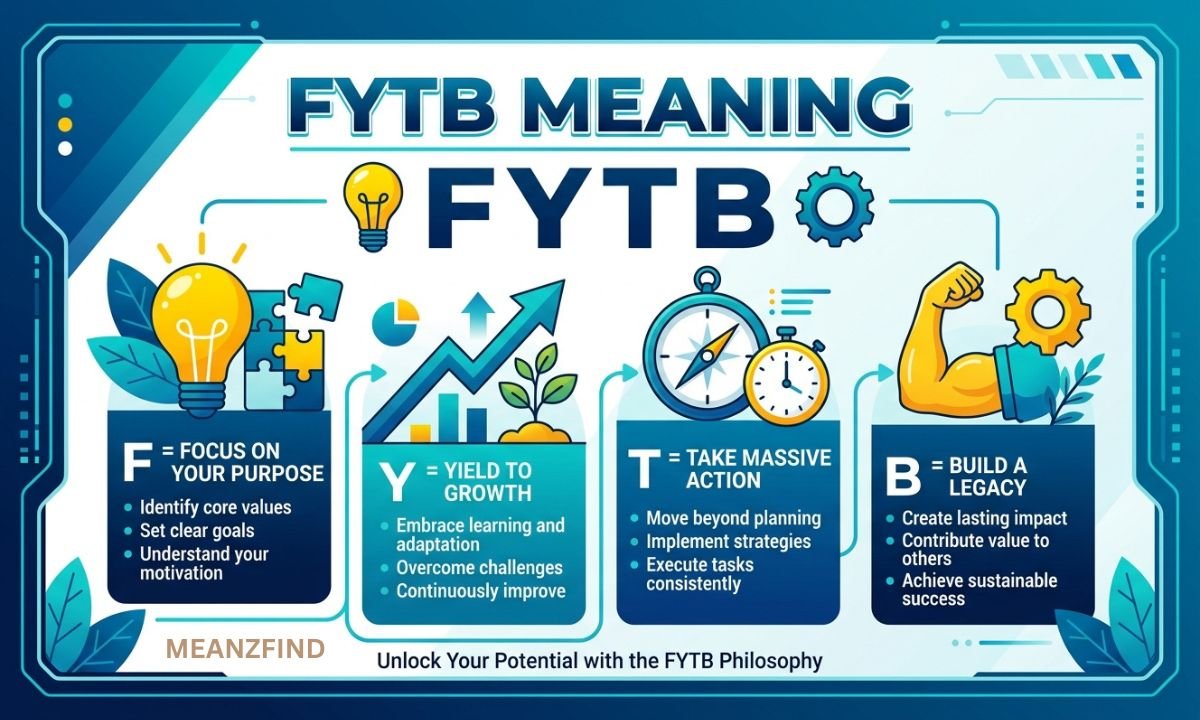
.FYTB Meaning
FYTB is a short slang term. People type it in texts and comments. It stands for a rough phrase that means “what are you talking about?” People use it when they feel shocked or confused.
You will see this term a lot online. It shows up in chats, comments, and captions. It is short, fast, and full of feeling. That is why so many people search for its true meaning.
FYTB is not a new word. It is a shortcut for an older spoken phrase. People turned that spoken phrase into letters. Now it fits in one quick text.
FYTB Meaning Slang
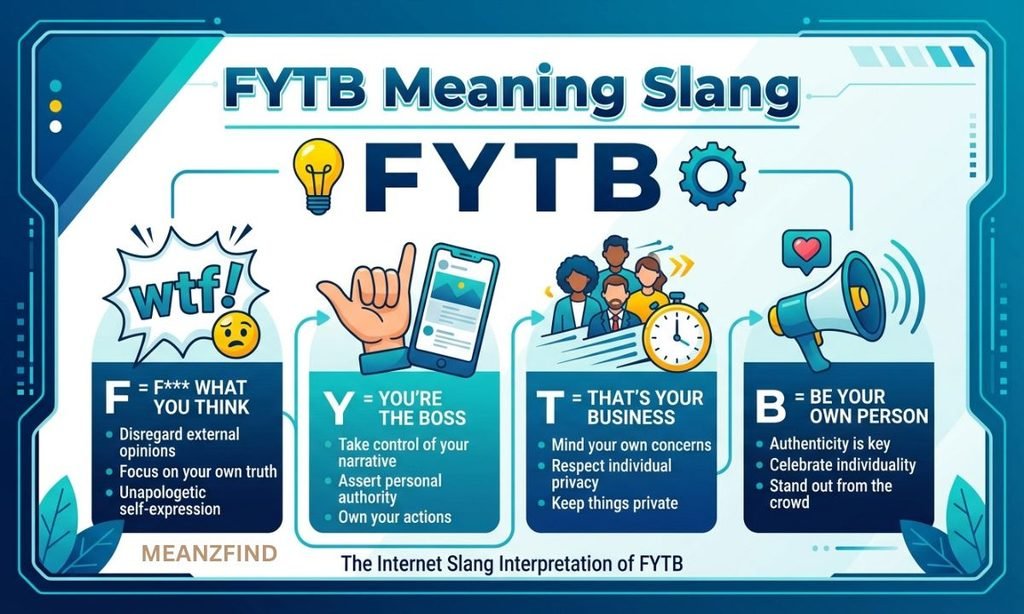
As slang, FYTB carries strong feeling. It is not a calm or neutral word. People use it to react fast when something feels off.
Here is a simple breakdown of what it can mean:
- Disbelief about a statement
- Confusion about what someone said
- Mild anger or pushback
- Playful teasing among friends
The tone changes based on who sends it. A friend might use it as a joke. A stranger might use it in a heated moment. The words stay the same, but the feeling can shift a lot.
Origin & Background of FYTB
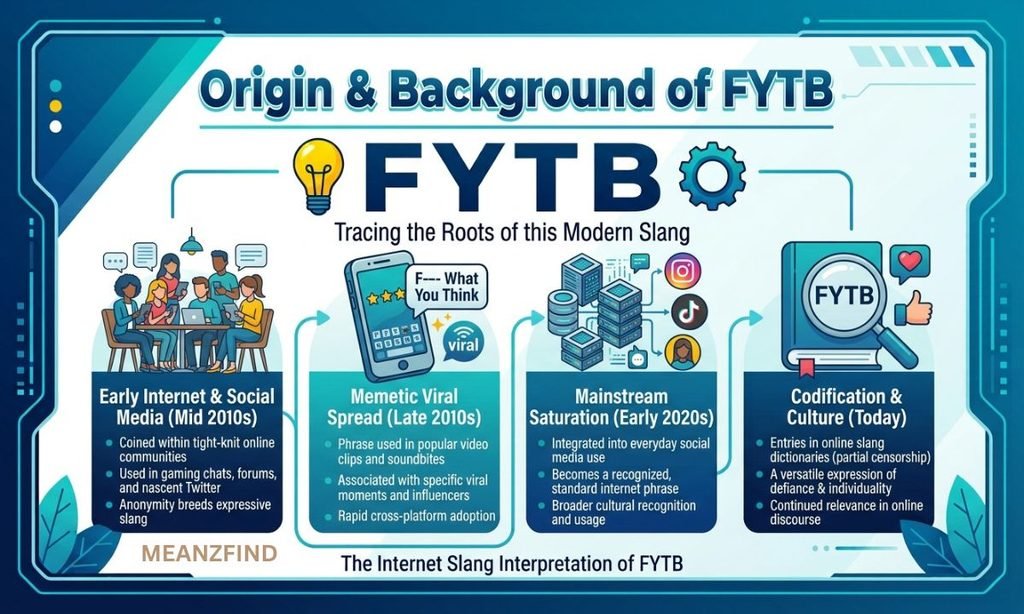
FYTB comes from spoken English first. People used to say the full phrase out loud. It was common in arguments and casual talk. Over time, texting culture shortened it into letters.
Short slang like this grew fast with mobile phones. Typing full sentences takes time. People wanted quick ways to react. So they built acronyms from common phrases.
FYTB is part of a bigger trend. Many slang terms come from spoken reactions. Words like LOL, SMH, and FR all followed this same path. FYTB simply joined that same list of short reactions.
Influence of Internet Culture
Social media pushed this slang even further. Fast comment sections need fast words. Long replies get lost in busy feeds. Short slang like FYTB stands out and gets noticed.
Video apps also helped spread it. Comment sections move fast under short videos. People type quick reactions before scrolling on. FYTB fits perfectly into that fast-paced style.
Meme culture also shaped how people use it. Funny captions often use blunt reactions. FYTB became one of those go-to funny reactions. It now feels normal in casual online talk.
Real-Life Conversations Using FYTB
Seeing FYTB in real chats helps make sense of it. Written meanings can feel dry and flat. Real examples show the true feeling behind the words. Below are common places where FYTB shows up.
WhatsApp Chat Example
Friend 1: I just ran five miles before breakfast today.
Friend 2: FYTB, you hate waking up early.
Friend 1: Haha, true. I only walked to the kitchen.
This example shows playful teasing between close friends. Nobody feels hurt or offended here. The tone stays light and funny throughout.
Instagram DM Conversation
User A: I heard the concert got cancelled again.
User B: FYTB?? I just bought tickets yesterday!
User A: I know, it’s all over the news right now.
Here, FYTB shows real shock and surprise. The person did not expect this bad news. The slang captures that sudden reaction well.
TikTok Comment Section
Comment: This recipe takes only two minutes to cook.
Reply: FYTB, no way that’s fully cooked in two minutes.
Comment sections often use FYTB for quick doubt. People question claims that sound too good. It works well in short, snappy replies.
Text Message Example
Text 1: I’m thinking about quitting my job tomorrow.
Text 2: FYTB, we talked about this last night!
This example shows genuine concern mixed with shock. The reply feels urgent and caring at the same time. FYTB can carry real emotion, not just jokes.
Emotional & Psychological Meaning
FYTB is more than just three letters. It carries real feeling behind the words. Understanding this feeling helps you use it correctly. It also helps you read other people’s texts better.
1. Surprise
FYTB often shows pure shock. Someone hears news they did not expect. The reaction comes out fast and strong. This use feels natural and honest.
2. Playful Disagreement
Friends often use FYTB just for fun. It shows light disagreement without real anger. Nobody gets hurt by this kind of use. It actually builds closeness between friends.
3. Skepticism
Sometimes FYTB shows doubt about a claim. Someone says something that sounds unbelievable. The listener questions it right away. This use protects people from believing false things.
4. Confidence or Attitude
FYTB can also show strong confidence. A person stands firm on their opinion. They use FYTB to push back on doubt. This shows self-assurance, not weakness.
Usage in Different Contexts
The same word can feel different in different places. FYTB changes tone based on where you use it. Knowing this helps you avoid awkward moments. Below are common settings where FYTB appears.
Social Media
Social media loves short, bold reactions. FYTB fits perfectly into comment sections. It grabs attention in a sea of text. Many viral comments use this exact style.
Friends & Relationships
Between friends, FYTB often feels warm and playful. It builds inside jokes and shared laughs. Close friends understand the true tone easily. Strangers might read it more seriously.
Work or Professional Settings
FYTB does not belong in work chats. Professional settings need clear, polite words. Using slang like this can confuse coworkers. It may even seem rude to a boss or client.
Casual vs Serious Tone
The line between casual and serious use matters a lot. A single emoji can change the entire meaning. Context clues from earlier messages also help. Always read the full conversation before reacting.
| Setting | Tone of FYTB | Should You Use It? |
| Close friend chat | Playful, joking | Yes |
| Family group chat | Mixed, depends on age | Maybe |
| Work email or chat | Very serious | No |
| Public comment section | Casual, bold | Yes |
| Talking to a stranger | Risky, unclear | Be careful |
Common Misunderstandings
Many people misread FYTB because of its rough origin. This leads to real confusion in daily texting. Clearing up these mistakes helps everyone communicate better. Here are the most common ones.
1. Thinking It Always Means an Insult
FYTB does not always mean someone is angry. Many times, it is just a fast reaction. Reading it as an insult can start unneeded fights. Always check the full message first.
2. Assuming It Means “Forget You”
Some people wrongly guess it means “forget you.” That guess is completely incorrect. FYTB actually questions a statement, not a person. It challenges words, not someone’s worth.
3. Using It in Formal Conversations
Some newer texters use FYTB without thinking. They might type it in a school or work chat. This can look unprofessional very fast. Formal chats need formal words instead.
4. Misreading the Tone
Text messages hide tone of voice completely. A joking FYTB can look angry on screen. Readers often guess the wrong emotion. Adding emojis can help fix this problem.
Comparison With Similar Slang
FYTB is not alone in this slang family. Many similar terms share the same casual energy. Comparing them helps you pick the right word. Below is a simple comparison table.
| Term | Full Meaning | Tone | Common Use |
| FYTB | What are you talking about? | Blunt, shocked | Disbelief |
| WYM | What you mean? | Curious | Asking for detail |
| FR | For real? | Surprised | Confirming truth |
| CAP | Lie | Doubtful | Calling out lies |
| SMH | Shaking my head | Disappointed | Mild disapproval |
| BRUH | Expression of shock | Casual | General reaction |
Variations and Related Expressions
Slang words often travel in groups. FYTB shares its space with many close cousins. These words often mean almost the same thing. Learning them helps you sound more natural online.
1. WYM (What You Mean)
This is a softer, gentler version of FYTB. It asks for clarity instead of showing shock. People use it when they simply feel unsure. It works well in calm conversations.
2. HUH?
This one shows plain confusion. It has no anger attached to it at all. People use it when they missed something. It is the mildest option on this list.
3. FR? (For Real?)
This phrase checks if something is actually true. It shows surprise without any doubt or anger. Friends use it to confirm big news. It feels light and easy to use.
4. CAP
This slang calls out a lie directly. It is sharper than FYTB in most cases. People use it when they feel someone is lying. It often starts playful arguments between friends.
5. NO WAY
This phrase shows pure disbelief. It works well for both good and bad news. People say it fast without much thought. It fits almost any surprising situation.
6. BRUH
This word shows a wide range of feelings. It can mean shock, annoyance, or humor. The tone depends completely on the situation. It remains one of the most flexible slang words today.
7. SMH
This stands for “shaking my head.” It shows mild disappointment or disbelief. People often type it after a bad decision. It feels calmer than FYTB overall.
8. YOU SERIOUS?
This phrase checks for honesty directly. It sounds almost like a spoken question. People use it in both text and speech. It feels natural in almost any chat.
9. EXPLAIN THAT
This phrase asks for more detail politely. It sounds calmer than most slang on this list. People use it when they truly want answers. It fits both casual and semi-formal chats.
10. SAY WHAT?
This is a classic reaction to shocking news. It has been used in speech for many years. Texting simply carried it into online chats. It still works well today.
Fytb Lyrics
Some people search for “FYTB lyrics” by mistake. They may be thinking of song lyrics that use this phrase. Music often borrows slang straight from daily conversation. Artists use blunt phrases to sound real and relatable.
If you are looking for a specific song, search using the full song title and artist name. This gives more accurate results than the short slang term alone. Slang meanings and song lyrics are two very different searches. Keeping them separate helps you find what you truly need.
How to Respond When Someone Says FYTB
Getting an FYTB text can feel confusing at first. Knowing how to reply keeps the chat smooth. Your reply should match the tone you received. Below are some simple reply styles.
Casual Replies
- “Haha, I know, it sounds crazy right?”
- “Just being honest with you.”
- “Trust me, it’s true this time.”
These replies keep the mood light and friendly. They work well with close friends and family. Nobody feels attacked or judged here.
Funny Replies
- “FYTB yourself, it’s a fun fact!”
- “I don’t make the rules, I just report them.”
- “Google it if you don’t believe me.”
Funny replies work great in group chats. They keep the joke going without any tension. This style fits perfectly with online friend groups.
Mature or Confident Replies
- “I understand your doubt, but it’s true.”
- “Let me explain what actually happened.”
- “I get why that sounds surprising.”
These replies stay calm and respectful. They work well when the topic feels more serious. This style shows patience and confidence at once.
Respectful Private Replies
- “I can see why you’re confused, let me clear it up.”
- “That’s a fair question, here’s the full story.”
- “I understand the shock, but here are the facts.”
Private chats often need softer replies. This is especially true with family or coworkers. Staying respectful avoids any unneeded conflict.
Regional & Cultural Usage
Slang does not spread the same way everywhere. Different regions adopt terms at different speeds. Culture also shapes how bluntly people speak. FYTB shows this pattern clearly across the world.
Western Culture
FYTB is extremely common in the United States. It shows up daily on American social media. Younger users lead most of this usage. It feels normal within casual American slang.
Asian Culture
In many Asian countries, FYTB appears mostly online. It often mixes with local languages in texts. Younger, English-speaking users use it the most. It stays mostly inside internet spaces rather than daily speech.
Middle Eastern Culture
English slang like FYTB spreads through social media in this region too. Young users often mix it with their own languages. It stays casual and mostly used among friends. Formal speech rarely includes this kind of slang.
Global Internet Usage
The internet erases many old language borders. Slang like FYTB now travels across the whole world instantly. A trending video can spread a term overnight. This makes English internet slang truly global today.
FYTB Meaning Tips
Understanding slang takes more than just a definition. Real understanding comes from context and practice. Here are some helpful tips for using FYTB correctly.
- Always check your relationship with the person first.
- Avoid using it in work or school messages.
- Add emojis to soften a strong reaction.
- Read the full conversation before replying with FYTB.
- Use it in fun, low-stakes conversations only.
- Never use it to insult or hurt someone.
- Remember that tone can get lost in text.
- When unsure, ask a simple clarifying question instead.
These tips help you avoid awkward mistakes. Slang works best when used with care. A little thought goes a long way in texting.
FINAL WORDS
FYTB is just another piece of internet slang. It helps people react fast in a text or chat. The meaning stays simple once you break it down. It’s not as confusing as it first looks.
Slang like this changes how we talk online. Short forms save time and add attitude. FYTB fits right into that pattern. It’s quick, casual, and easy to use.
Now you know what FYTB really means. You can use it or just understand it when you see it. Either way, you won’t be confused again. Texting slang gets easier once you learn the basics.
FAQs
What does FYTB mean in text?
FYTB stands for “(what the) f*** you talking ’bout?” It’s used online to show shock, confusion, or disbelief about something someone just said.
What does FYB mean in text slang?
FYB usually stands for a rough phrase similar to “f*** you, b****,” used to show anger or fake anger between friends. Some people also read it as a softer “forget you, bro” in casual chats.
What does FIYTB mean?
FIYTB is a stretched-out version of FYTB, adding an extra “I” for emphasis, meaning “f*** is you talking ’bout?” It’s used the same way as FYTB, just with a stronger, more dramatic punch.
What does FYF mean in slang?
FYF has a few meanings depending on the chat, including a rough “f*** your face” used in arguments or joking rivalry. In calmer contexts, like sign-offs, it can also mean “from your friend.”
What does FYTS mean in text?
FYTS follows the same pattern as FYTB, roughly meaning “f*** you talking ’bout, seriously?” It adds extra emphasis when someone wants to sound more shocked or firm.
What does FYT mean in slang?
FYT is a shorter version of the same family, standing for “f*** you talking” without the extra letters. It’s used quickly in texts to question or challenge what someone just said.
What is FYF in chat?
In most casual chats, FYF is a blunt reaction used during arguments or joking insults among friends. In older or more formal messages, it can instead mean “from your friend” as a sign-off.
What does YFW mean in slang?
YFW usually means “your face when,” used to react to something funny, awkward, or shocking with a reaction image or gif. It’s the flipped version of the more common MFW (“my face when”).
What does FYB stand for?
FYB most commonly stands for a strong insult phrase used in heated or joking arguments online. Depending on the group, it can also mean “for your benefit” in more neutral, formal contexts.
Is it FYP or FYB?
FYP means “For You Page,” the personalized video feed on apps like TikTok, and has nothing to do with FYB. FYB is a separate slang insult or reaction phrase, so the two are easy to mix up but mean very different things.
What does “fys” mean in a chat?
FYS is not a widely fixed term, but it usually follows the same “f*** you” slang pattern with an added word depending on context. It’s typically used the same blunt, reactive way as FYTB and FYB.
What does fyu mean in slang?
FYU also fits the same slang family, generally meaning a rough “f*** you” aimed directly at someone. It’s short, blunt, and mostly used in heated or joking exchanges rather than calm conversation.