
Have you seen “GPI” in a text or comment and felt confused? You are not alone. This short slang term shows up a lot on social media and group chats. Many people search for its meaning every day.
GPI most often stands for “Gracias Por Invitar.” This is a Spanish phrase. It means “Thanks for inviting me.” People usually type it with a sarcastic tone.
This slang started in Spanish-speaking online spaces. It is common in Mexico and other Latin American countries. Over time, it spread to English speakers too, especially on TikTok.
You might see GPI used when someone feels left out. Maybe a friend went to a party without them. They comment “GPI” to point out the missed invite. The tone is often playful, not truly angry.
This guide will explain the full meaning of GPI. You will learn how people use it in real chats. We will also cover other possible meanings. By the end, you will know exactly how to use and reply to it.
Meaning & Definition of GPI
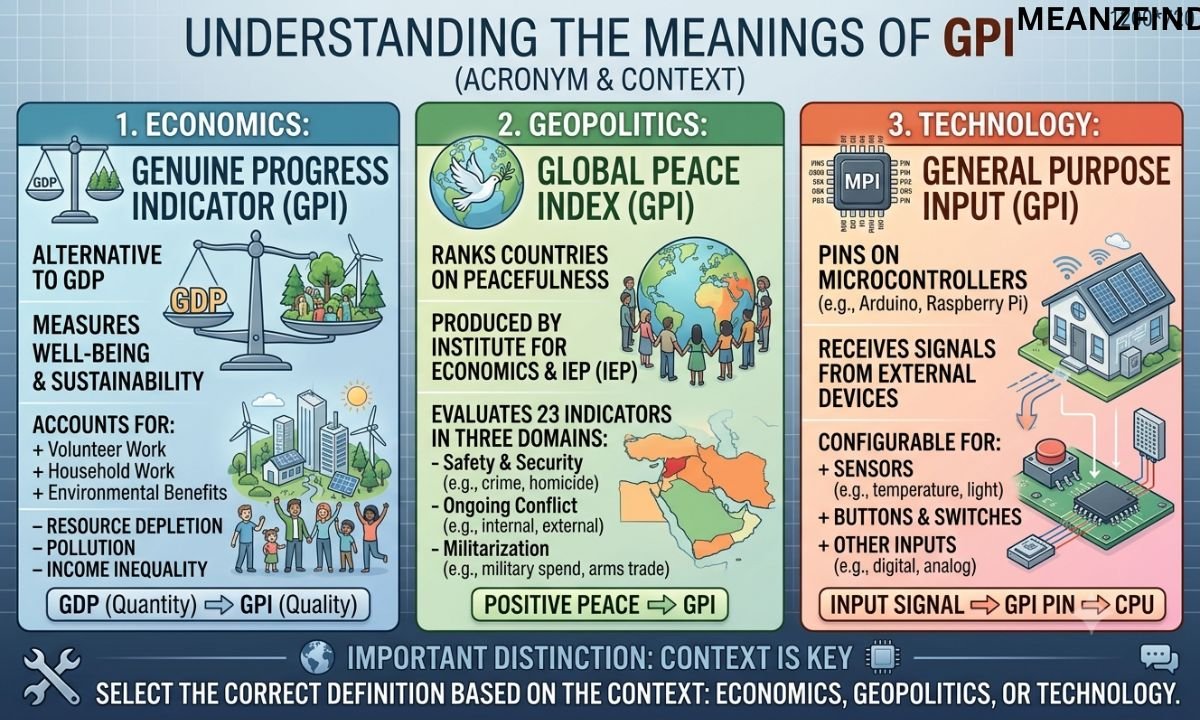
GPI is a short abbreviation. It can stand for many different things. The meaning depends on where you see it.
In texting and social media, GPI usually means “Gracias Por Invitar.” This is a Spanish phrase. It means “Thanks for inviting me.”
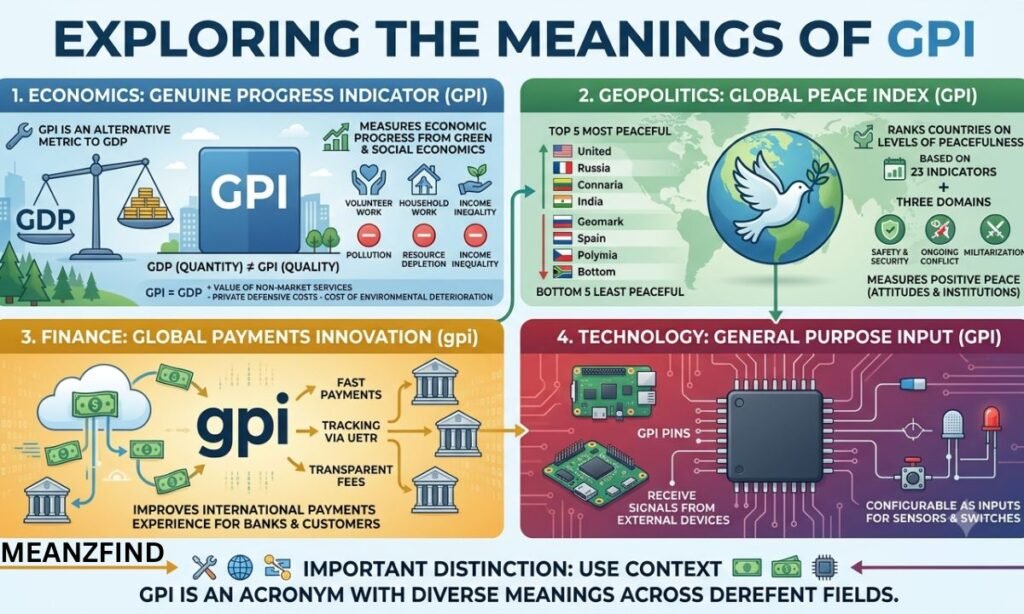
But GPI is not just a texting term. It also appears in economics, medicine, and education. Each field gives it a different meaning.
This makes GPI a flexible abbreviation. You need context to know which meaning fits. Below, we break down every major use of GPI in simple words.
Key Characteristics of GPI:
- It is short, only three letters.
- It has different meanings in different fields.
- In texting, it is mostly sarcastic or playful.
- It started in Spanish-speaking online spaces.
- It can also be a serious term in economics or medicine.
- Context always decides the true meaning.
- It works differently across cultures and languages.
- It rarely appears in formal writing or business emails.
Most abbreviations work this way. A short group of letters cannot carry one fixed meaning forever. People shape the meaning based on where they use it and who they are talking to.
This is normal in language. Think about the word “bank.” It can mean a place for money. It can also mean the side of a river. GPI follows the same pattern, just in a shorter form.
Knowing this helps you avoid mistakes. If you guess the wrong meaning, your reply might not make sense. Taking one extra second to think about context saves you from confusion.
Here is a quick table to help you understand the main uses of GPI:
| Field | Full Form | Simple Meaning |
| Texting/Slang | Gracias Por Invitar | Thanks for inviting me (sarcastic) |
| Economics | Genuine Progress Indicator | A measure of a country’s real well-being |
| Medical | General Paralysis of the Insane | Old term for a brain condition caused by untreated syphilis |
| Education | Grade Point Index | A score showing a student’s academic performance |
GPI Meaning Slang
In slang, GPI is mostly used online. You will see it in comments, DMs, and group chats.
It shows up when someone notices they were left out. A friend went somewhere fun, and you were not invited. You might comment “GPI” under their photo.
The tone is usually light and joking. It is rarely meant to hurt anyone’s feelings. Think of it as a small, funny complaint.
Some young people also use GPI in other playful ways. It can show mock jealousy. It can also be a joke between close friends.
Slang like GPI grows because it feels personal. It is not a word you learn in school. You learn it from friends, videos, or comment sections. This makes it feel like a shared secret between people who understand internet culture.
Language experts often study slang like this. They notice that short forms spread fastest when they carry emotion. GPI carries a mix of humor and mild disappointment, which makes it easy to relate to. Almost everyone has felt left out of a plan at some point, so the joke lands well with a wide audience.
It is also worth noting that slang meanings can shift slightly over time. What GPI means today might gain small new twists next year. Internet language is always moving, and staying updated helps you use terms correctly.
GPI Meaning Spanish
The Spanish roots of GPI are simple. “Gracias” means “thanks.” “Por” means “for.” “Invitar” means “to invite.”
Put together, “Gracias Por Invitar” means “Thanks for inviting me.” In real Spanish conversation, this phrase can be sincere.
But online, it almost always turns sarcastic. People use it to point out they were not part of a plan. The words stay polite, but the meaning flips.
This kind of sarcasm is common in many languages. English speakers do something similar. They might say “Thanks a lot” when they mean the opposite.
Spanish speakers often use short, polite phrases to soften a complaint. Saying “thank you” instead of directly saying “you forgot me” feels less harsh. It turns a small hurt feeling into something funny and shareable.
This pattern is not unique to GPI. Many cultures use polite words to hide a joke or a mild complaint. It softens the message while still making the point clear. GPI is simply the internet’s short version of this old habit.
If you are learning Spanish, GPI is a fun way to understand tone. It shows how the same words can mean different things depending on delivery. Reading the mood of a message matters just as much as reading the words themselves.
GPI Meaning Text
In a text message, GPI usually keeps its sarcastic tone. Someone might send it after seeing a photo of a party.
For example, a friend posts a picture from a dinner. You reply “GPI 😅.” This tells them you noticed you were missing from the group.
The tone stays friendly in most cases. Close friends use this kind of joke often. It builds on trust and shared humor.
Sometimes, GPI in text can also be a gentle hint. The sender may actually want to be included next time. It works as a soft, indirect request.
Texting culture rewards short, clear signals. Nobody wants to type a long paragraph explaining hurt feelings over a missed hangout. GPI solves this problem in just three letters, saving time while still getting the message across.
It is also common to see GPI paired with emojis. A crying-laughing emoji makes the message feel like a joke. A single sad-face emoji can shift the same three letters into something more sincere. The emoji often does more work than the letters themselves.
Texting between family members can use GPI differently than texting between close friends. A cousin might send GPI after seeing wedding photos they missed. A sibling might use it after a family dinner they could not attend. The core meaning stays the same, but the emotional weight can shift based on the relationship.
Background of GPI as an Abbreviation
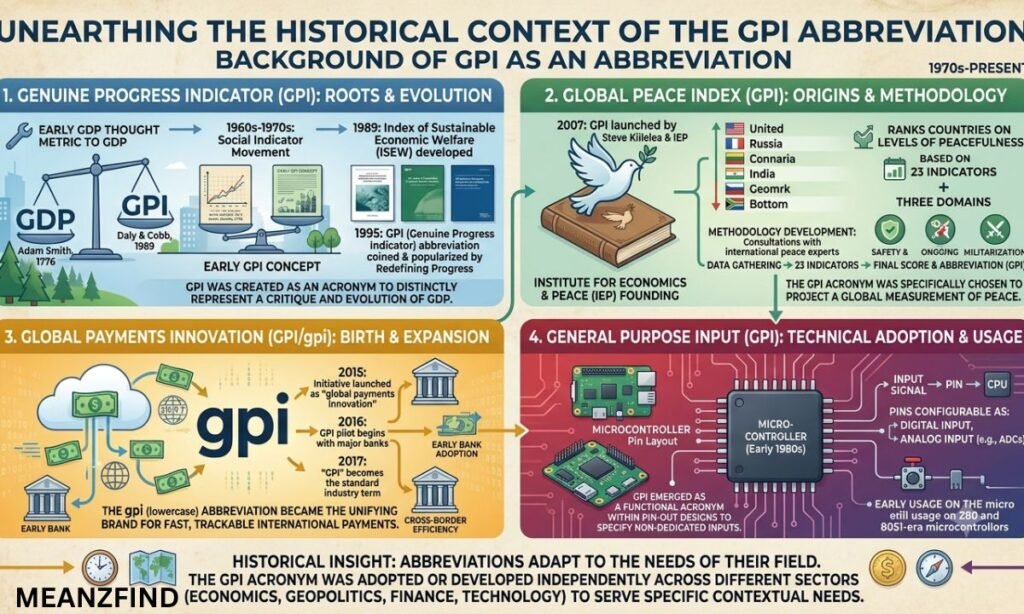
Abbreviations like GPI are not new. People have shortened phrases for a long time. Texting just made this trend much faster.
GPI as slang began in Spanish-speaking online communities. Many of these communities are based in Mexico and other parts of Latin America. Texting in Spanish often uses short forms.
Over time, this term crossed into English-speaking spaces. Video apps and social media helped this happen quickly. Bilingual users shared the term with their English-speaking friends.
Today, GPI is understood by many people worldwide. It has become part of everyday internet slang. Its meaning is now common knowledge among younger users.
The growth of GPI also shows how connected the internet has made language. A phrase from one region can travel across the globe in weeks. Ten years ago, this kind of spread would have taken much longer, if it happened at all.
Younger generations grow up switching between languages more naturally than before. Many teens and young adults follow creators from different countries. This exposure means slang terms cross language barriers faster than ever.
GPI is a good example of this larger trend. It did not need a translation to become popular. English speakers picked it up as a fun phrase, even without knowing every word’s exact meaning. The feeling behind it was enough to make it stick.
Why GPI Became Popular:
- It is short and quick to type.
- It carries humor without sounding rude.
- Bilingual creators shared it across platforms.
- Video apps helped it spread fast.
- It fits naturally into comment sections.
- People enjoy using playful, coded language online.
Short slang terms like GPI often spread through trends. A single popular video or post can introduce a phrase to millions. Once people understand the joke, they start using it themselves.
This pattern is common with internet slang. Words move from one small group to a much larger audience. Social media speeds up this process every single day.
Think about other slang words that followed the same path. Terms like “lit,” “salty,” or “extra” all started in smaller communities. Over time, they became common in everyday conversations across many different groups.
GPI is following this same journey right now. It started as a Spanish-language joke. It is now understood by English speakers, especially younger internet users. In a few more years, it may become fully mainstream slang used by people of all ages.
This kind of language evolution is normal and healthy. It shows how cultures share and blend ideas. Slang like GPI reminds us that the internet connects people beyond just words and borders.
Common Contexts of GPI Usage:
- Under a friend’s party photo or video.
- In a group chat when a plan is shared without you.
- As a joke reply to an event invitation post.
- In comment sections of influencers or creators.
- Between close friends as a running inside joke.
- On family social media pages, in a lighthearted way.
Here is a simple table showing where GPI usually appears and what it signals:
| Platform | Common Use | Typical Tone |
| Comment on party or event posts | Playful, sarcastic | |
| TikTok | Reply to videos showing group outings | Humorous |
| Group chat reactions | Friendly, joking | |
| Snapchat | Reply to Snap stories | Casual, light |
| Comments on family or event photos | Mild, joking |
How to Respond to GPI in Text
Knowing how to reply to GPI matters. A good response keeps the mood light. A bad response can make things awkward.
The safest approach is humor. Match the playful tone of the original message. This keeps the conversation friendly.
You do not need to explain yourself in detail. A short, funny reply usually works best. Overexplaining can make the joke feel heavier than it is.
If the person seems genuinely upset, though, read the situation carefully. Sometimes GPI hides real feelings of being left out. In that case, a kind and honest reply is better than a joke.
Reading tone through text is tricky. Words alone do not show facial expressions or voice changes. This is why paying attention to punctuation, emojis, and past conversations matters so much.
A good rule to follow is simple. If you are unsure how someone feels, ask gently. A quick message like “Haha, were you actually upset?” clears up confusion fast. This small step can prevent a joke from turning into a real problem.
Good communication is not about guessing perfectly every time. It is about staying open and willing to check in. GPI is usually harmless, but treating every message with a little care keeps friendships strong.
Steps to Respond Effectively
- Read the tone first. Check if the message feels playful or genuinely hurt.
- Keep your reply short. Long explanations can feel unnecessary.
- Match their energy. If they joked, joke back. If they seem upset, be kind.
- Invite them next time. This shows you care, even in a playful exchange.
- Avoid ignoring it completely. A response, even a short one, shows respect.
Below is a simple guide comparing tone types and the best way to respond:
| Their Tone | What It Might Mean | Best Type of Reply |
| Laughing emojis with GPI | Fully joking | A funny, light reply |
| Plain “GPI” with no emoji | Could be mild hurt | A warm, reassuring reply |
| GPI with a sad face | Likely genuine feeling | A caring, honest reply |
| GPI in all caps | Playful emphasis | Match with humor |
Example Responses:
- “Haha, next time you’re first on the list!”
- “Oops, my bad! Coming to the next one for sure.”
- “You know you’re always invited, right?”
- “GPI right back at you for last week 😂”
- “Sorry! It was a last-minute thing, let’s hang out soon.”
These replies keep things simple and warm. They show you noticed the comment. They also protect the friendship from any awkward tension.
It also helps to think about timing. Replying quickly to a GPI comment shows you care about the person’s feelings. Waiting too long, even for a joke, can make the moment feel awkward or ignored.
If GPI shows up often from the same person, pay attention. This could be a pattern worth addressing directly. A private conversation, away from public comments, might be the kindest next step.
On the other hand, if GPI is a regular inside joke between you and a friend, there is no need to overthink it. Some friendships thrive on this kind of playful teasing. Knowing your audience is the real key to responding well.
GPI Meaning Instagram
On Instagram, GPI is very common under posts and stories. It usually appears as a quick comment. People type it fast, often with an emoji.
You might see it under a birthday party post. A friend who was not there might write “GPI 😂.” This is a light joke, not a real complaint.
Instagram’s fast-scrolling nature makes short slang perfect. Users do not want to type long comments. GPI fits into this quick, casual style of talking.
Some Instagram users even use GPI on their own posts. They caption a photo with “GPI to myself” as a joke. This shows self-aware humor about missing out on something.
Instagram Stories also see frequent GPI use. A close friend might reply to a Story with just “GPI” and a laughing emoji. This quick reaction takes seconds but still starts a light conversation.
Influencers sometimes notice patterns in these comments. If many followers write GPI under an event post, it can hint at audience interest. Some creators respond by hosting bigger meetups or giveaways to include more fans next time.
Instagram’s comment culture rewards short, catchy phrases. Long comments often get buried or ignored. GPI fits perfectly into this fast-paced style, which is part of why it caught on so quickly on this platform.
GPI Meaning Medical
In medicine, GPI has a very different and serious meaning. It stands for “General Paralysis of the Insane.” This is an old historical term.
Doctors once used this term for a brain condition. It happens in the late stages of untreated syphilis, an infection. The condition affects thinking, movement, and behavior over time.
This term is rarely used today. Modern medicine now calls it “neurosyphilis” or “general paresis.” The older name is considered outdated and insensitive.
It is important to know this medical meaning exists. If you see GPI in a medical article or old textbook, this is likely the definition. It has nothing to do with texting slang.
Understanding the history behind this term also matters. Before antibiotics existed, syphilis was a serious and common illness. Without treatment, it could affect the brain many years after the first infection.
Doctors in the past used the term “general paralysis of the insane” to describe patients showing severe symptoms. These symptoms included memory loss, mood changes, and difficulty controlling movement. The language used at the time reflected outdated views on mental illness.
Modern medicine treats syphilis effectively with antibiotics when caught early. This has made the old condition much rarer today. Still, medical students may come across the historical name GPI while studying the history of neurology and infectious diseases.
GPI Meaning in English
In plain English, without slang or Spanish influence, GPI is simply an abbreviation. It does not have one fixed dictionary meaning. Its definition always depends on the subject.
Someone studying grammar files might see GPI as “General Purpose Interface” in computing. This refers to a type of hardware or software connection. It allows devices to communicate with each other.
In everyday English conversation, though, most people now link GPI to the texting slang meaning. This is because of how often it appears online. The internet has shaped how many people understand this term today.
Always check the surrounding words. This helps you pick the correct meaning. A tech article and a friend’s comment will use GPI very differently.
In business or professional settings, GPI can appear as a company name or product code too. Some organizations use it as a short internal term specific to their own work. This is another reason why context is always the deciding factor.
If you come across GPI in a document you do not fully understand, do not guess right away. Look at the topic of the whole piece of writing. A finance report, a school handbook, and a text message will each point you toward a different meaning.
This flexible nature is actually common with many three-letter abbreviations. Letters like GPI, GPS, or GDP each carry very specific meanings only within their own subject areas. Learning to spot these clues is a useful skill for reading any kind of text.
Differences from Similar Words
Many slang terms feel similar to GPI at first. But each one carries its own unique meaning and use. Confusing them can lead to awkward replies.
For example, “FOMO” means “Fear Of Missing Out.” It describes a feeling, not a direct comment. GPI, on the other hand, is something you actually type as a reaction.
“LOL” simply shows laughter. It does not carry any hidden meaning about being left out. GPI specifically points to an invitation or event.
Understanding these small differences helps you use slang correctly. It also helps you understand what others truly mean. Mixing up these terms can confuse a conversation.
Slang terms often overlap in feeling but not in exact meaning. FOMO and GPI both connect to missing out, but they work differently in a sentence. FOMO describes an inner feeling, while GPI is an outward reaction someone types to another person.
Learning these small differences also helps in daily life. Younger users often switch between many slang terms in a single conversation. Knowing which word fits which moment keeps your messages clear and natural.
Language changes fast, but the core idea behind these differences usually stays steady. A feeling word describes emotion. A reaction word describes an action or reply. Keeping this simple rule in mind helps you use any new slang term correctly, not just GPI.
Key Differences:
- GPI vs FOMO: GPI is a direct comment; FOMO is a general feeling.
- GPI vs LOL: GPI relates to invitations; LOL relates to humor only.
- GPI vs IK: “IK” means “I know,” with no connection to invitations.
- GPI vs Left on Read: That phrase means an ignored message, not a missed event.
Here is a comparison table to make this even clearer:
| Term | Full Meaning | Main Use |
| GPI | Gracias Por Invitar | Reacting to being left out of an event |
| FOMO | Fear Of Missing Out | Describing a feeling of anxiety about missing something |
| LOL | Laughing Out Loud | Showing amusement |
| IK | I Know | Agreeing with a statement |
Relevance in Online Conversations & Dating Apps
GPI is not limited to friend groups. It also appears in wider online conversations. This includes dating apps and public comment threads.
On dating apps, GPI can show up in a playful way. If someone mentions plans with friends, a match might reply “GPI 😅.” This is often used to show interest in being included.
It works as light flirting in some cases. It hints that the person wants to spend more time together. This makes GPI a useful, low-pressure way to show interest.
In public comment sections, GPI often appears under influencer content. Fans joke about not being invited to exclusive events. It builds a sense of connection between creators and followers.
Dating apps rely heavily on short, clever messages to break the ice. A well-placed GPI can feel more natural than a plain “I want to hang out too.” It adds humor to a conversation that might otherwise feel too direct or too serious.
This kind of playful language also lowers pressure in early conversations. Nobody wants to seem too eager when getting to know someone new. GPI allows a person to hint at interest while still keeping things light and casual.
Group chats between new friends often develop their own private slang over time. GPI might start as a joke between two people and slowly become part of a wider group’s regular vocabulary. This is one reason slang terms feel so personal to the communities that use them.
Why It Matters:
- It shows emotional honesty in a light, safe way.
- It opens the door for future invitations without direct pressure.
- It keeps online conversations friendly and relatable.
- It helps build connection on dating apps through humor.
- It reflects how modern slang blends emotion with playfulness.
Understanding this relevance helps you use GPI naturally. It is more than a random abbreviation. It reflects how people express feelings through short, coded language today.
Online spaces move quickly, and emotional honesty often gets hidden behind humor. GPI is a small example of this larger pattern. People feel more comfortable expressing mild disappointment when it comes wrapped in a joke.
This is not a bad thing. Humor can be a healthy way to communicate feelings without creating tension. GPI gives people an easy tool to express themselves without needing a long, serious conversation.
As online communication keeps evolving, more terms like GPI will likely appear. Each one will carry its own small emotional shortcut. Understanding how these terms work helps you stay connected and avoid misreading friendly messages as something more serious than intended.
GPI Meaning Economics
In economics, GPI stands for “Genuine Progress Indicator.” This is a serious and important measurement tool. It looks beyond simple money numbers.
Most countries use GDP, or Gross Domestic Product, to measure economic success. GDP only counts money made from goods and services. It does not look at overall well-being.
GPI tries to fix this gap. It considers things GDP ignores. This includes pollution, crime costs, and unpaid household work.
For example, GDP counts money spent cleaning up pollution as economic growth. GPI subtracts that cost instead. This gives a more honest picture of a country’s real progress.
Here is a simple breakdown of what GPI adds and subtracts in economics:
| GPI Adds | GPI Subtracts |
| Value of household work | Cost of pollution |
| Value of volunteer work | Cost of crime |
| Value of education | Cost of resource loss |
| Leisure time value | Cost of long commuting |
Some U.S. states have used GPI alongside GDP. This helps local governments understand true community well-being. It supports better long-term policy decisions.
The idea behind GPI in economics grew from a simple concern. Economists noticed that a growing economy does not always mean happier or healthier citizens. A country can show strong GDP numbers while pollution, crime, or inequality also rise sharply.
GPI tries to correct this gap by painting a fuller picture. It does not replace GDP completely, but it works alongside it. Together, both numbers give policymakers a more balanced view of national progress.
Several U.S. states, including Maryland and Vermont, have explored using GPI in their planning. Researchers continue studying how to make this measurement more accurate and widely accepted. As concerns about the environment and social well-being grow, more regions may adopt GPI in the future.
This economic meaning is completely different from the texting slang. Students and researchers should know this distinction. Mixing up the two meanings can cause real confusion in academic work.
GPI Meaning in Education
In education, GPI often stands for “Grade Point Index.” This term is similar to GPA, or Grade Point Average. Some countries and schools use GPI instead of GPA.
GPI measures a student’s academic performance. It converts grades into a number system. Higher numbers usually mean better academic results.
Schools calculate GPI using credit hours and grade values. Each subject grade gets a point value. These points are averaged across all subjects taken.
This system helps colleges and employers understand a student’s performance quickly. A high GPI often reflects strong study habits. It can also affect scholarship opportunities and college admissions.
Here is a simple example of how GPI might be calculated:
| Subject | Grade | Grade Points | Credit Hours |
| Math | A | 4.0 | 3 |
| English | B | 3.0 | 3 |
| Science | A | 4.0 | 4 |
Students use their total grade points divided by total credit hours. This gives their final GPI score. Many universities in different countries follow this method closely.
Understanding your GPI helps you track academic progress. It shows where you are doing well. It also highlights subjects that may need more effort.
Different countries calculate GPI using slightly different scales. Some use a four-point system, similar to standard GPA scoring. Others use a percentage-based system converted into a point index.
Students applying to universities abroad often need to convert their GPI into a format recognized by foreign schools. This process can feel confusing at first. Many schools provide conversion charts or academic advisors to help with this step.
Keeping a strong GPI takes consistent effort throughout the school year. Regular study habits, completing assignments on time, and asking for help when needed all support a healthy academic record. A high GPI can open doors to scholarships, exchange programs, and stronger college applications later on.
FINAL WORD
GPI is a fun little piece of internet slang. It mostly means “Gracias Por Invitar.” This Spanish phrase means “Thanks for inviting me.” People use it to point out they were left out of something.
The tone behind GPI is usually playful. It is not meant to start a real fight. Most friends use it as a light joke. It shows mild disappointment in a funny way.
You will see GPI most often on TikTok and Instagram. It also shows up in WhatsApp and Snapchat chats. Bilingual users made this term popular. Now many English speakers use it too.
Remember that GPI can have other meanings sometimes. Context always matters with internet slang. Look at who sent it and where. This helps you understand the real intent.
Now you know what GPI truly means. You can use it correctly in your own chats. You can also reply to it with confidence. Slang like this makes texting more fun and expressive.
FAQs
How is GPI used in Spanish slang?
In Spanish slang, GPI stands for “Gracias Por Invitar.” People type it to jokingly point out they were left out of an event.
What is the meaning of GPI?
GPI usually means “Thanks for inviting me,” said with sarcasm online. In other fields, it can mean something entirely different, like an economic or academic measure.
What is GPI short for?
GPI is most commonly short for “Gracias Por Invitar” in texting. It can also stand for “Genuine Progress Indicator” or “Grade Point Index” depending on the topic.
What is GPI Mexican slang?
In Mexican slang, GPI is a playful comment meaning “Thanks for inviting me.” It is used when someone notices they were missing from a photo or plan.
What does GPI mean in texting?
In texting, GPI is a short sarcastic reply about being left out. It shows mild, joking disappointment rather than real anger.
What is the full form of GPI?
The most common full form is “Gracias Por Invitar.” Other full forms include “Genuine Progress Indicator” and “Grade Point Index,” used in different subjects.
What does a GPI stand for?
A GPI most often stands for a Spanish phrase used as texting slang. Its exact meaning always shifts based on where and how it is used.
What is the GPI in work?
At work or in academic settings, GPI usually refers to “Grade Point Index,” a measure of performance. It is rarely used casually in professional emails.
What is gpi in social media?
On social media, GPI is a quick comment used under posts about parties or outings. It jokingly tells the poster that the commenter was not invited.
What does gpi mean on Instagram?
On Instagram, GPI often appears in comments under event or party photos. It is a playful way of saying “I noticed I wasn’t there.”
What does MDG mean in Spanish texting?
MDG doesn’t have one fixed, widely agreed meaning in Spanish texting slang. Different sources suggest different guesses, so it’s best to ask the sender directly if unsure.