

CTE stands for Chronic Traumatic Encephalopathy. It is a brain condition. It happens after repeated hits to the head. Many people ask about this term today.
This condition is common in contact sports. Football and boxing players often face it. Doctors first noticed it in boxers years ago. Now, more sports are linked to it.
CTE affects the brain over time. It can cause memory loss and mood changes. Some people feel confused or angry often. This is why awareness about CTE matters so much.
Let me know if you’d like this tailored to a different meaning of CTE (like Career and Technical Education or SQL), or if you want it slightly longer or more formal.
What Does CTE Stand For? – Quick Meaning
CTE stands for Chronic Traumatic Encephalopathy. It is a brain disease. It happens after many hits to the head over a long time.
The word looks big, but it is simple to break down:
- Chronic means it lasts a long time.
- Traumatic means it comes from injury.
- Encephalopathy means a brain disease.
So CTE simply means “long-term brain damage caused by repeated injury.” It is not something that happens after one hit. It builds up slowly, often over many years.
Origin & Background of CTE
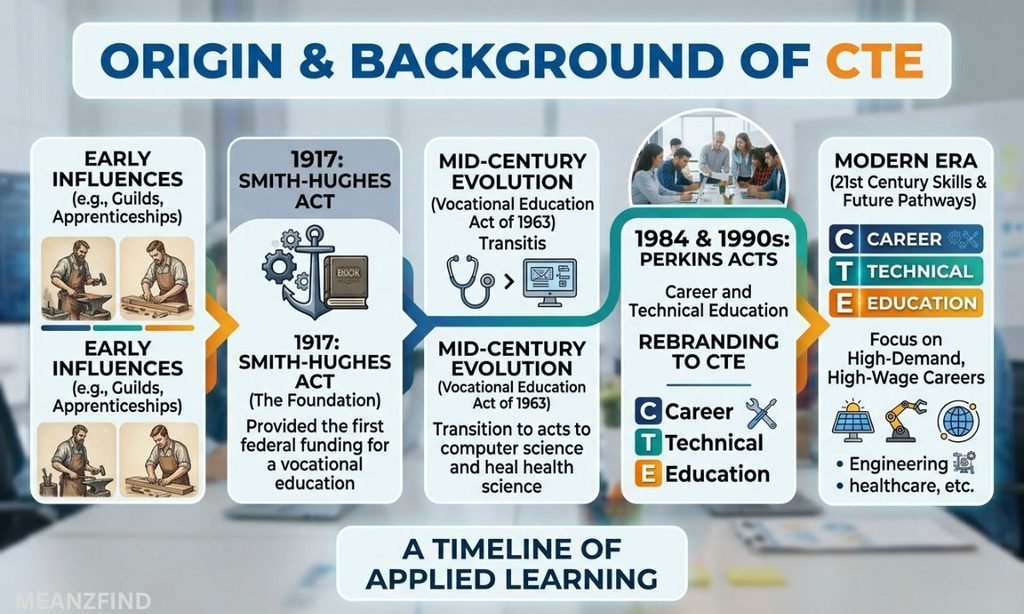
The story of CTE did not start with football. It started with boxing. Doctors noticed something strange in old boxers many years ago. These boxers moved slower. They forgot things. Some acted differently than before.
Doctors gave this problem a name. They called it “punch drunk syndrome.” Later, this name changed to “dementia pugilistica.” Over time, scientists studied the brain more closely. They found real damage inside it.
By the early 2000s, doctors started using the modern term CTE. They found this same damage in football players too. This is when the term became widely known outside of medical books.
How Does CTE Happen
CTE happens because of repeated hits to the head. It is not about one bad accident. It is about many small hits added together over time.
Here is a simple way to understand it:
- A person gets hit in the head many times.
- The brain gets shaken inside the skull again and again.
- A special protein called tau starts to build up.
- This protein damages brain cells slowly.
- Over years, this damage spreads and grows.
This is why CTE is common in contact sports. Football, boxing, rugby, and wrestling all involve regular head contact. Even hits that do not cause a concussion can add up over time.
What Does CTE Do to You
CTE affects how the brain works. It changes how a person thinks, feels, and behaves. The damage grows slowly, so early signs are easy to miss.
Common changes linked to CTE include:
- Memory problems
- Confusion
- Trouble focusing
- Mood swings
- Anger or aggression
- Depression
- Trouble with balance
These changes often appear years after the injuries happened. This makes CTE hard to notice early. Many people do not connect small memory issues to old head injuries.
What Does CTE Stand for in Football
In football, CTE stands for the same thing: Chronic Traumatic Encephalopathy. But in football culture, the term carries extra weight. It is tied to real stories of players who suffered after their careers ended.
Football involves constant contact. Tackles, blocks, and falls all affect the head. Even helmets cannot fully stop the brain from moving inside the skull.
This is why football has become the most talked-about sport linked to CTE. Many former players have shared their struggles publicly. Their stories helped push safety changes at every level of the sport.
Early History
In the early days of football, head injuries were often ignored. Players were told to “shake it off” and keep playing. Coaches did not fully understand the long-term risk.
Medical Evolution
As science improved, doctors began studying brains after death. They found tau protein buildup in many former players. This gave real proof that repeated hits cause lasting damage.
Modern Awareness
Today, football leagues test for concussions more carefully. Rules have changed to protect players’ heads. Parents, coaches, and players now talk openly about CTE risks.
Real-Life Conversations About CTE

People do not only talk about CTE in hospitals or news reports. They talk about it in normal chats too. Here are some real-style examples.
WhatsApp Chat
Ali: Bro did you hear about that old NFL player? Sam: Yeah, they said he had CTE Ali: What even is that Sam: Brain damage from too many hits over the years Ali: That’s scary man
Instagram DMs
User1: just watched a documentary on CTE 😳 User2: the one about football players? User1: yes bro so sad, they forget stuff and get angry easily User2: makes u think twice about letting kids play tackle football
TikTok Comments
- “CTE is why I don’t let my son play tackle football until high school.”
- “People need to understand this isn’t just ‘getting hit in the head once.'”
- “This is why concussion protocols matter so much now.”
These casual chats show something important. CTE is not just a medical word anymore. It is part of everyday conversation, especially among sports fans and parents.
Emotional & Psychological Meaning of CTE
CTE is not just about brain scans and science. It carries deep emotional weight for many families.
Why People React Strongly
People react strongly to CTE because it changes personalities. A person may become someone their family does not recognize. This is painful for everyone close to them.
Many stories involve sudden anger, sadness, or confusion in people who were once calm and sharp. Families often feel helpless watching this happen.
Psychological Impact
CTE can affect mental health in serious ways. Common psychological effects include:
- Depression
- Anxiety
- Impulsive behavior
- Feelings of hopelessness
- Trouble controlling emotions
This is why CTE awareness matters so much. It is not only a physical health issue. It touches mental health and family relationships too.
Usage of CTE in Different Contexts
CTE is used differently depending on where the conversation happens. The meaning stays the same, but the tone changes.
Social Media
On social media, people use CTE casually. It often shows up in memes, sports debates, or reaction videos. The tone can be serious or lightly joking, depending on the post.
Friends & Family
Among friends and family, CTE usually comes up during real concern. Someone may worry about a parent, sibling, or friend who played contact sports for years.
Work or Professional Settings
In professional settings, like sports organizations or medical fields, CTE is discussed formally. Doctors, coaches, and researchers use exact medical language here.
Casual vs Serious Tone
| Setting | Tone | Example |
| Social media | Light or mixed | Meme about “getting CTE” from a small bump |
| Sports talk | Concerned | Discussing a retired player’s health |
| Medical setting | Formal | Doctor explaining test results |
| Family talk | Emotional | Worrying about a loved one’s memory loss |
Common Misunderstandings About CTE
Many people misunderstand CTE. This creates confusion and sometimes makes the topic feel scarier or less serious than it really is.
Common Myths
- Myth: One hit to the head causes CTE.
- Myth: Only football players get CTE.
- Myth: CTE can be diagnosed easily while someone is alive.
- Myth: Every athlete in contact sports will get CTE.
Reality
- CTE comes from repeated head impacts over years, not one hit.
- CTE has been found in boxers, soldiers, wrestlers, and other athletes too.
- Right now, CTE can only be confirmed after death, by studying brain tissue.
- Not every athlete develops CTE. Risk depends on many factors, including how many hits a person takes over time.
When Not to Use the Term
CTE should not be used as a joke about someone being forgetful after one small bump. It is a real medical condition. Using it carelessly can spread wrong information and hurt people who are actually affected by it.
Comparison Table: CTE vs Similar Terms
| Term | Full Meaning | Cause | Diagnosed When |
| CTE | Chronic Traumatic Encephalopathy | Repeated head impacts over years | After death (currently) |
| Concussion | Traumatic Brain Injury | A single hit or jolt to the head | Can be diagnosed right after injury |
| Dementia | General memory and thinking decline | Aging, disease, or brain damage | While a person is alive |
| Alzheimer’s | A specific type of dementia | Brain cell damage, often age-related | While a person is alive |
| PCS (Post-Concussion Syndrome) | Lasting symptoms after a concussion | One or more concussions | While a person is alive |
This table shows why people often confuse CTE with other brain conditions. They share some symptoms, but their causes and diagnosis methods are different.
Variations & Related Types of CTE

CTE is often grouped with related brain and injury terms. Here are some important ones to know:
- Stage 1 CTE – Mild symptoms, often unnoticed
- Stage 2 CTE – Mood changes and mild memory issues
- Stage 3 CTE – Clear memory loss and confusion
- Stage 4 CTE – Severe dementia-like symptoms
- Post-Concussion Syndrome – Short-term symptoms after one concussion
- Second Impact Syndrome – Danger from a second head hit before healing from the first
- Traumatic Brain Injury (TBI) – A broader term for any brain injury from impact
- Sports-Related Concussion – A concussion caused specifically during sports
- Repetitive Head Impact Syndrome – Ongoing research term for smaller, repeated hits
- Tauopathy – A general term for diseases involving tau protein buildup, including CTE
CTE Symptoms
Symptoms often show up slowly and can be easy to miss at first. Common symptoms include:
- Short-term memory loss
- Trouble planning or organizing thoughts
- Sudden mood swings
- Increased aggression
- Depression or hopelessness
- Poor judgment
- Balance and coordination problems
- Slurred speech in later stages
Symptoms usually get worse over time, especially without proper care and support.
What Does CTE Stand for in High School
In high school, CTE usually means something completely different. Here, CTE stands for Career and Technical Education.
This CTE has nothing to do with brain injuries. It refers to classes that teach real-world job skills. Examples include:
- Welding and construction
- Culinary arts and cooking
- Computer science and coding
- Healthcare and nursing basics
- Automotive repair
Many students confuse this CTE with the brain condition because the letters are exactly the same. Context always tells you which meaning is being used.
What Does CTE Stand for in SQL
In coding and databases, CTE means something else entirely. Here, CTE stands for Common Table Expression.
A Common Table Expression is a temporary result set used inside a SQL query. It helps programmers organize complex queries into simpler, readable steps.
For example, a CTE lets a coder create a temporary named result, then use it inside a bigger query. This makes long SQL code much easier to read and manage.
So remember:
- Medical field: Chronic Traumatic Encephalopathy
- School setting: Career and Technical Education
- Coding and databases: Common Table Expression
Same three letters. Three completely different meanings.
How to Respond When Someone Mentions CTE
The right response depends on the situation. Tone matters a lot here.
Casual Replies
- “Oh yeah, that’s the brain thing from too many head hits, right?”
- “I’ve heard about that, pretty serious stuff.”
Funny (Light but Respectful)
- “Bro I think I got mini CTE from that fall down the stairs 😂” (only appropriate among close friends joking about themselves, never about someone’s real health condition)
Mature & Confident
- “CTE is a serious brain condition linked to repeated head injuries. It’s something researchers are still learning more about every year.”
Private or Respectful
- If someone shares that a family member has CTE, a good response is simple support: “I’m really sorry to hear that. That must be hard for your family.”
Regional & Cultural Usage
CTE is understood differently around the world, based on how popular contact sports are in that region.
Western Culture
In the United States and Canada, CTE is widely discussed because of football and hockey. Many news stories and documentaries have covered former athletes.
Asian Culture
In many Asian countries, CTE awareness is growing slower. Contact sports like American football are less common there, so the term is less familiar to the general public.
Middle Eastern Culture
In the Middle East, CTE discussions are increasing, especially with growing interest in combat sports like boxing and MMA.
Global Internet Usage
Online, CTE has become a global term thanks to social media and streaming documentaries. People everywhere now recognize the term, even if their local sports culture does not focus on contact sports.
FINAL WORDS
CTE stands for Chronic Traumatic Encephalopathy. It is a serious brain condition. It develops from repeated head injuries over time. Knowing this term helps you understand its real impact.
This condition affects many athletes and others. Contact sports carry a higher risk. Repeated blows to the head can add up. Over the years, this damage can become severe.
Awareness about CTE is growing every day. More research is helping doctors understand it better. Early signs should never be ignored. Getting help early can make a real difference.
In the end, CTE is more than just a term. It reminds us to protect our brain health. Simple safety steps can lower the risk. Staying informed is the first step toward prevention.
FAQs
What Does a CTE Do to a Person?
CTE slowly damages brain cells over many years, changing how a person thinks and feels. It can cause memory loss, confusion, mood swings, and sudden anger in people who were once calm.
What Does CTE Stand for in School?
In school, CTE stands for Career and Technical Education. It refers to classes that teach real job skills, like welding, coding, cooking, or healthcare basics.
Is CTE the Same as Punch Drunk?
“Punch drunk syndrome” was the old name doctors used for what we now call CTE. They describe the same brain damage, just under different names from different time periods.
What Is CTE for Football Players?
For football players, CTE means brain damage caused by repeated tackles, blocks, and head impacts over a long career. It usually shows up years after a player has already retired.
Is 2 Concussions in 10 Years Bad?
Two concussions in 10 years is not usually considered extreme, especially with proper recovery time between them. However, any repeated head injury should be taken seriously and reported to a doctor.
What Are 5 Signs and Symptoms of CTE?
Common signs of CTE include memory loss, confusion, mood swings, depression, and poor balance. These symptoms often build up slowly and can be easy to miss at first.
How Long Does a CTE Last?
CTE is a permanent, lifelong condition once it develops, since it comes from real physical damage to the brain. Symptoms usually get worse over time rather than going away.
Is CTE a Mental Illness?
CTE is not a mental illness on its own; it is a physical brain disease caused by injury. However, it often leads to mental health issues like depression and anxiety.
Can You Live a Good Life With CTE?
Many people with early-stage CTE can still live a fairly normal life with the right support and care. Quality of life often depends on how advanced the damage is and how well symptoms are managed.
Can You Fully Recover From CTE?
Right now, there is no cure for CTE, and full recovery is not currently possible. Treatment mainly focuses on managing symptoms and improving daily quality of life.